


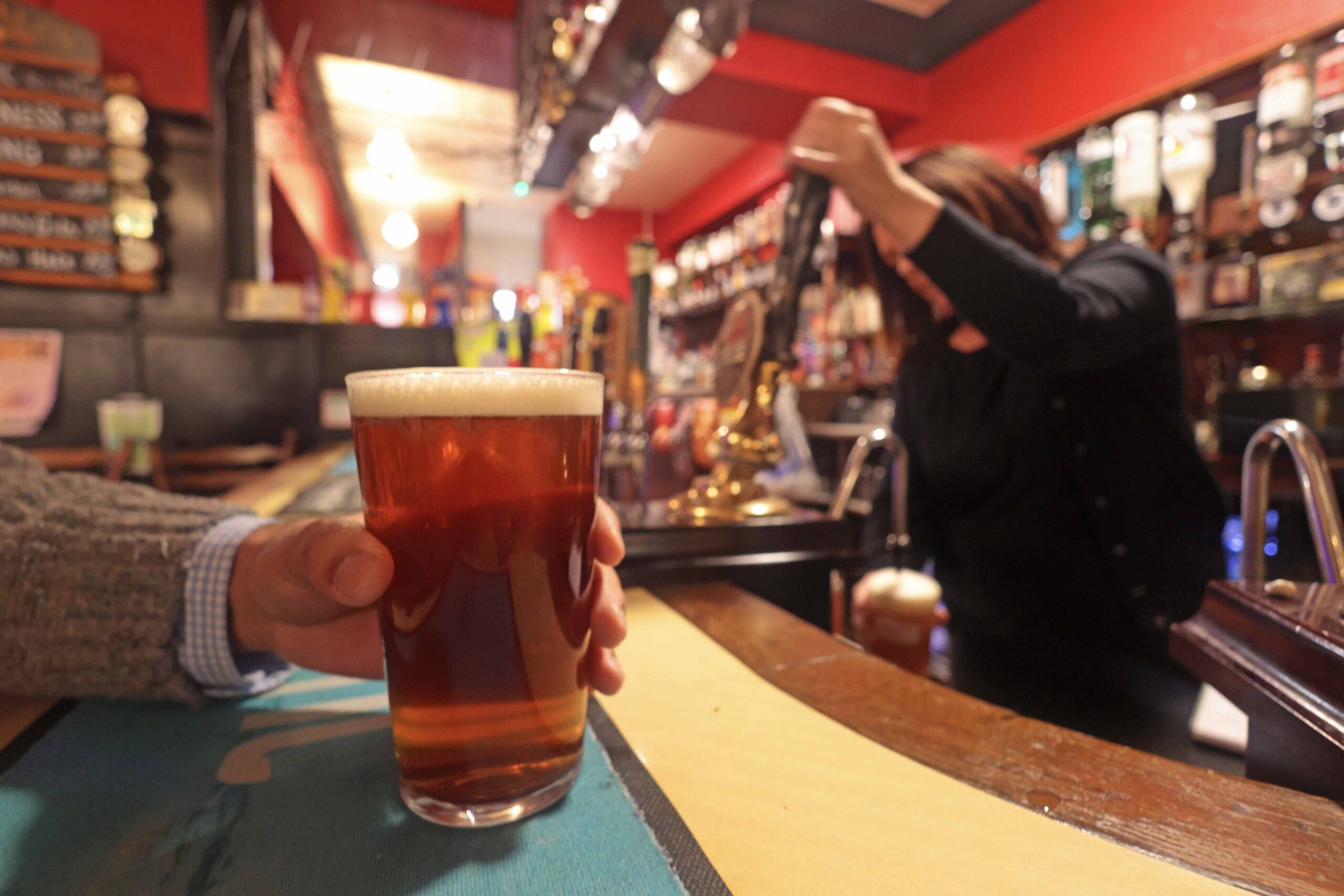
Within days of being the new UK Prime Minister, Andy Burnham’s cabinet decisions have sparked debate. Burnham’s latest agreement to cut business rates by 20% in April 2027 to protect high streets marks a positive step for the hospitality industry, namely pubs, social clubs and music venues across England. The Music Venue Trust (MVT) stated its support of the announcement from No.10, as “an encouraging first step”.
“It’s certainly a move in the right direction, hopefully with more to come,” Julian Edwards FCSI, chair of FCSI EAME, said of the news, which will save the typical pub an estimated £1,100 next year, according to the statement.
“This government will back the businesses that people want to see in their communities,” said UK Prime Minister Andy Burnham. “I said I would protect pubs and local high streets – the beating heart of our communities – and that’s what we will do. What we’re announcing today is just the start as we work to bring back hope across the country.”
A work in progress
With a backlog of costs piling up, however, from increased National Insurance, National Living Wage, higher taxes and post-pandemic relief coming to an end, some businesses say the policy does not stretch far enough for real impact.
“There remain some issues of implementation of previous reliefs, and we will work with colleagues in government, the Department for Culture, Media and Sport, Ministry of Housing, Communities and Local Government, and HM Treasury to ensure that all grassroots music venues in England are recognised and eligible,” said the MVT in a statement.
While pubs, social clubs and some music venues are eligible for the business rates cut, other high-street hospitality venues such as hotels, restaurants, cafes and cinemas, who are still required to pay business rates, will not receive help, despite facing the same set of challenges.
“Business rates aren’t just broken because they’re complicated – they’re broken because they’re disconnected from commercial reality. They are one of the few major taxes businesses must pay regardless of whether they make a profit,” says Andrew Teacher, founding partner of Lauder Teacher Associates, and former property industry spokesman for the British Property Federation who has led major industry campaigns on business rates.
“A family florist, independent café or local retailer can be losing money yet still face a substantial business rates bill simply because of the estimated rental value of its premises,” adds Teacher. “That’s not a tax on success – it’s an occupation tax, and it actively discourages investment in bricks-and-mortar businesses.”
Protecting high streets
Tenzo co-founder Christian Mouysset said the reduction of business rates “will be welcome news for pubs, but not enough relief to offset the decrease in sales, visits, and margins most hospitality operators have experienced this year,” highlighting that trading conditions have been particularly volatile this year, as Tenzo data underscores June as the weakest month in 2026, with like-for-like sales down 3.2% and transactions down 6% YOY, but the average transaction value rose about 3%.
“This highlights that customers who do visit are still willing to spend, with the bigger challenge being getting customers through the door,” said Mouysset. “That tells us this is no longer simply a cost problem – it’s increasingly a demand problem. And with this relief not taking effect until April next year and only for pubs, operators can’t afford to wait for government support. Focus for the remainder of 2026 and beyond must be on driving footfall while also finding smarter ways to protect profitability.”
The cut will cost around £100m, funded by a review of tax reliefs awarded to businesses “that do not make a positive contribution to local communities, such as vape shops,” said the statement.
“It doesn’t go far enough, but it does show that there is an understanding that hospitality needs a hand, especially smaller venues,” chef and publican Tom Kerridge told BBC Radio 5 Live, who has spearheaded the VAT’s The Problem campaign. “It will come as welcome news, but £1,000 on a yearly revenue doesn’t really make a difference. It does show the government is beginning to listen and has an understanding that hospitality is at the core and heart of so many communities.”
The road ahead
Given this policy will not take effect until the start of the next tax year, many of the details are likely to come in the autumn Budget, as a question mark remains over support for hotels and restaurants.
“There will be a long wait now until the Autumn Budget; hopefully some of the finer details will be revealed ahead of that and we’ll need to know who and how businesses qualify,” says Adam Barnfield, partner and head of business rates at Vail Williams.
Success of exemptions will need to be weighed up against the building costs imposed on the hospitality industry. Without broader consensus on evolving reliefs, some businesses will have to fend for themselves.
“Government support will never create sustainable margins on its own. Operators also need to take things into their own hands,” says Mouysset. “By using real-time data and AI to make faster, more informed decisions, operators can ensure they have an accurate view of labor, forecasts and inventory, no matter the trading conditions they are faced with. This is what will ultimately determine resilience in an unpredictable market.”
Lauren Hurrell


