

Andy Burnham, likely to succeed Sir Kier Starmer as UK prime minister, has revived debate on business rates to ease the tax burden on pubs and high street businesses. The newly elected MP for Makerfield in Wigan, Manchester, told LBC there is “some room” for movement on tax, suggesting higher business rates on warehouses could fund cuts for pubs and high street businesses.
Burnham’s comments coincide with the VAT’s The Problem campaign, led by chef Tom Kerridge and industry groups, which urges tax relief for hospitality businesses facing crippling operational costs – especially the 20% VAT that threatens further bar and restaurant closures across the UK.
In Ireland, the lower 9% VAT rate has already been welcomed by the Restaurants Association of Ireland and came into effect on Wednesday, July 1. The Association described the permanent return of the 9% VAT rate as a “vital viability measure” that will help protect indigenous businesses, sustain employment and strengthen communities across Ireland.
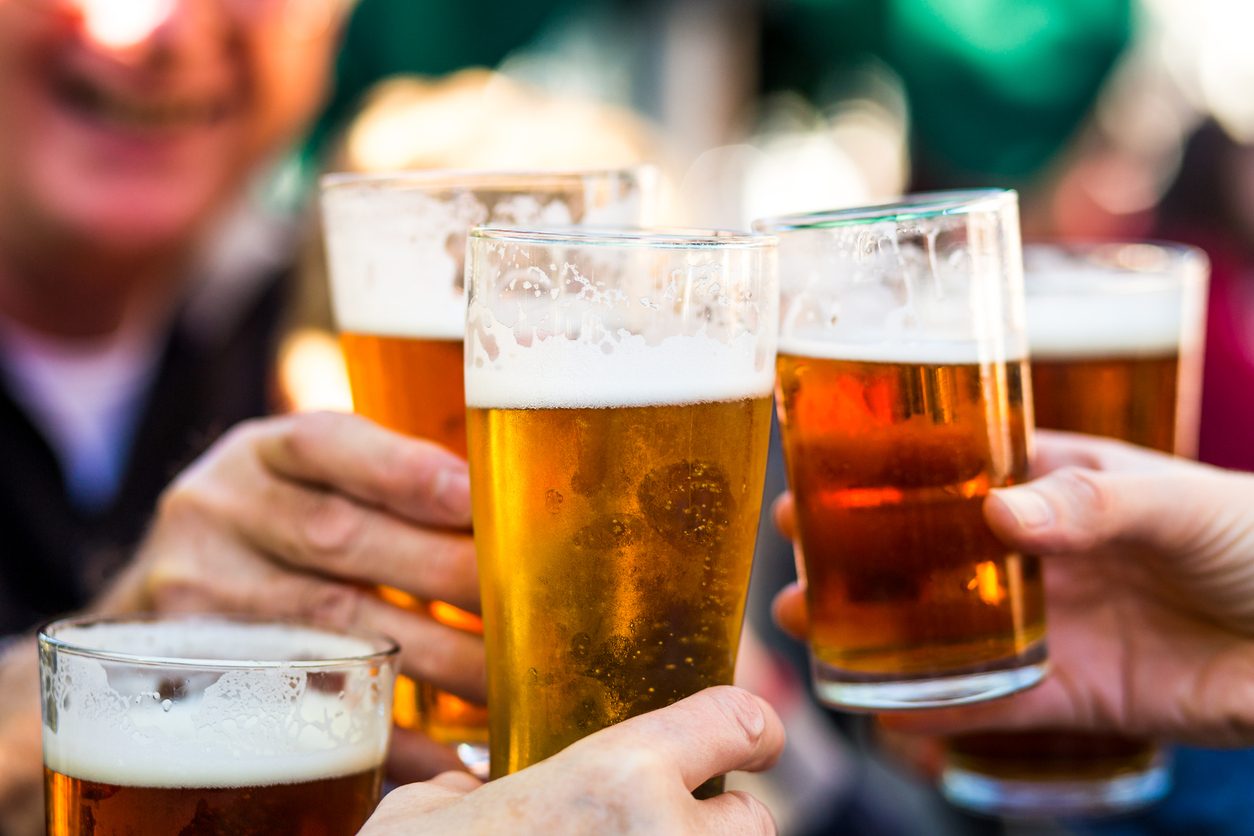
Speaking on LBC’s Tonight with Andrew Marr radio show, Burnham claimed he could cut business rates for pubs and bars by 20%. “I believe there is a case for higher business rates on warehouses and the major developments we see on the outskirts of our cities, so we can cut business rates for pubs – I proposed a 20% cut – and lift some high street businesses out of business rates altogether,” he said.
However, he emphasized he would uphold UK Labour’s 2024 manifesto pledges not to raise VAT, income tax, or national insurance.
“I stick by the manifesto and the promises that it made,” Burnham said, defending his credibility on economic policy, insisting he would not be “undisciplined” with the public finances if he becomes PM. As the only candidate in the running, he is widely expected to move into No. 10 Downing Street on 20 July.
“So, let me be absolutely clear about that, but there is some room within that manifesto for movement on tax,” he added.
Burnham has previously faced criticism for arguing that the UK must “get beyond this thing of being in hock to the bond markets,” referring to government borrowing.
Preventing profit?
While some dispute whether hospitality deserves special treatment, pubs and restaurants are among the UK’s largest employers and face tax rates nearly double the European average, which is preventing business to make profit, leading to swathes of closures across the sector. Profit is key to innovation and survival amid mounting costs, labor shortages, and weak consumer spending. The industry body UKHospitality reports that energy bills have tripled since 2021, with average energy costs rising 80% year-on-year, and fewer than a third of businesses feel optimistic about the future.
Proposing higher rates for large distribution warehouses while cutting or removing them for pubs, restaurants, cafés and other high street businesses raises some concerns over how the UK tax system functions. While it was originally designed to fund local services through a property-based tax, the economy has since changed drastically, outrunning a system that struggles to keep pace. The tax burden on hospitality businesses significantly outweighs that faced by online retailers such as Amazon, whose sales are driven by out-of-town warehouses.
However, increasing warehouse rates could simply shift costs along the supply chain, meaning pubs and restaurants might still bear the burden. As energy costs continue to rise, the risk of an imbalanced business ecosystem grows, and any reform must consider the wider impact to ensure progress and support is accessible and equitable for all businesses involved.
Andy Slee, chief executive of the Society of Independent Brewers and Associates (SIBA), said earlier this year in response to the UK government’s U-turn on business rates: “At the heart of revitalizing hospitality is a rebalancing of the tax burden between online and high street businesses and pubs”, adding that “a more equitable long-term solution” was needed “to allow pubs and independent brewers to thrive.”
Lauren Hurrell


