


Reliable refrigeration is essential to hospitality and commercial kitchen operations. It affects food safety, energy consumption, capital expenditure and long-term operating costs. While detailed refrigeration system design is generally undertaken by specialist contractors, foodservice consultants need a sound understanding of the underlying technology. This enables informed decisions, more effective coordination and more sustainable outcomes.
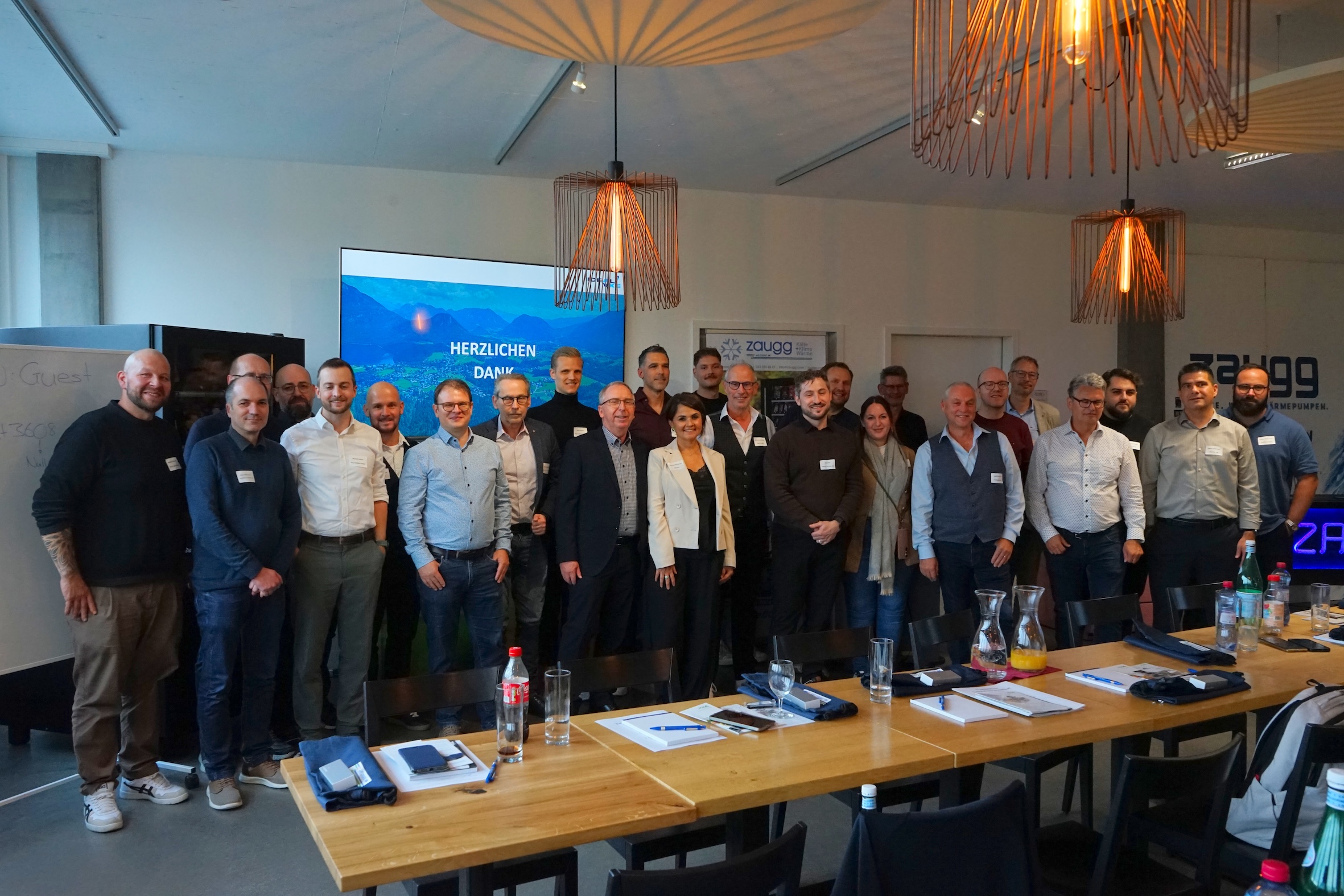
These principles were brought into focus at the FCSI Refrigeration Technology Training held in Thun, Switzerland on 29 October 2026.
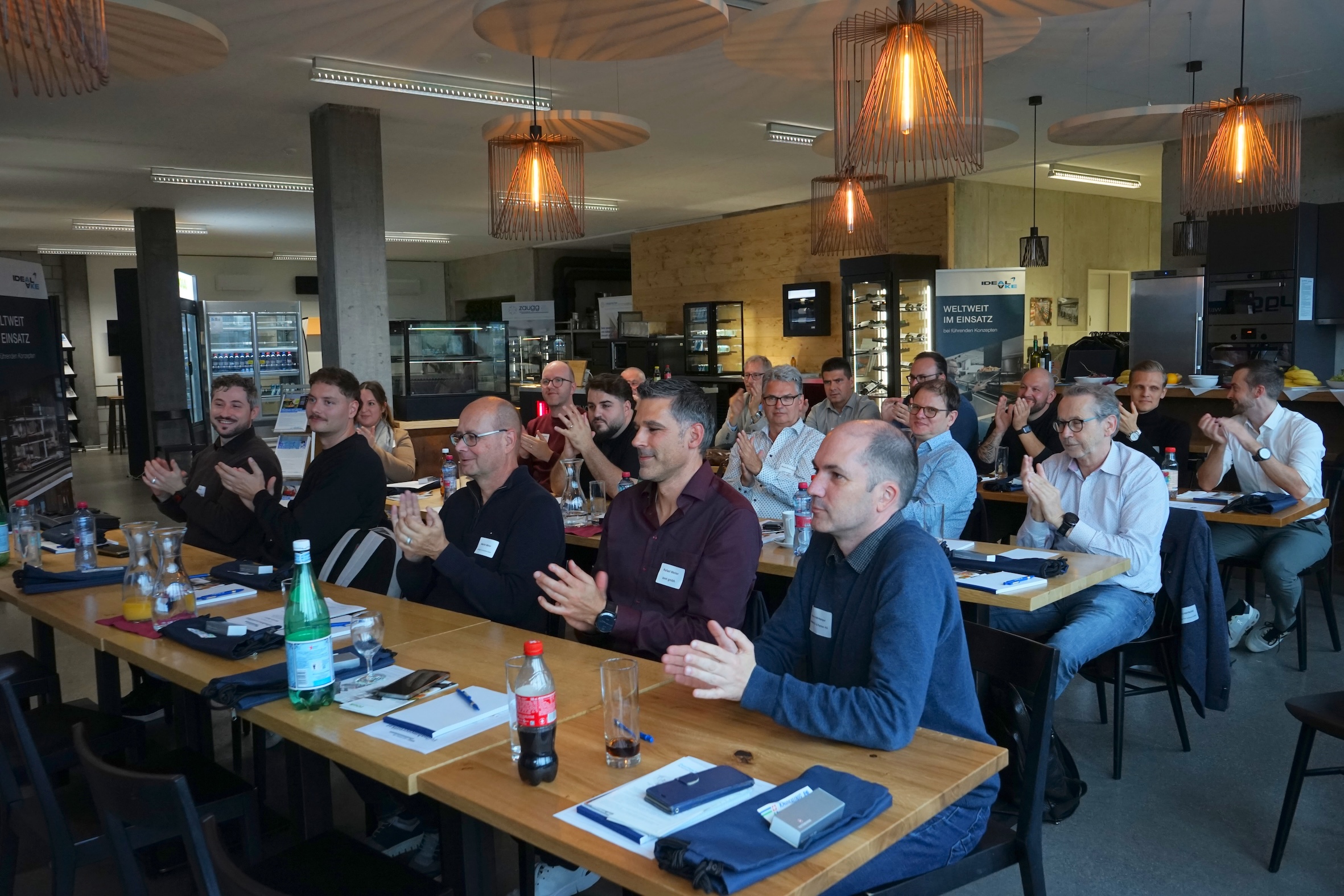
Hosted by f. zaugg ag Kälte + Klima and Kältering AG, the event brought together around 25 participants, including several members of the EPiC network, to deepen their technical knowledge and exchange insights with industry peers. The program covered developments in refrigeration technology, regulatory requirements, lessons from completed projects and the coordination challenges that arise between different trades.
CO₂ or propane? The right choice depends on the system
One of the central topics was the choice between CO₂- and propane-based refrigeration systems. The discussion highlighted that selecting a refrigerant involves more than weighing up its individual advantages and disadvantages. Operating conditions, system capacity, space constraints, safety requirements and the intended application all influence the most appropriate solution.
Practical calculations illustrated why there is no one-size-fits-all answer. Each project requires an assessment of its specific circumstances. From both a sustainability and an energy-efficiency perspective, it is essential to evaluate the performance of the refrigeration system as a whole.
Technical interfaces: a critical success factor
The training also examined the technical interfaces and coordination requirements associated with CO₂ refrigeration systems. As refrigerant regulations become more stringent, natural refrigerants such as CO₂ are becoming increasingly relevant. Even where responsibilities are set out in drawings and tender documentation, omitted preparatory work, overlooked components and ambiguities in the scope of supply can lead to delays and additional coordination during construction.
Discussions with consultants and refrigeration specialists reinforced the importance of clearly defining components, responsibilities and technical requirements early in the design and tendering process. Many adjustments can be made more efficiently and at lower cost in the manufacturer’s workshop than during installation on site.
Learning through networking and practical experience
Beyond the technical presentations, professional exchange was a defining feature of the event. Training sessions of this kind demonstrate the value of the FCSI network: bringing together different perspectives, challenging assumptions and supporting better-informed technical decisions. They also underline the importance of ongoing dialogue among consultants, suppliers and specialists in delivering complex hospitality and commercial kitchen projects.
The central takeaway was clear: sustainable, commercially viable refrigeration solutions do not come from standardised answers. They depend on a careful assessment of project requirements and collaboration among stakeholders from the earliest planning stages. Combining technical knowledge with practical experience and open dialogue is what makes events of this kind so valuable for professional development.
About the author
Petra Laube is a Foodservice Consultant at promaFox AG and a member of the FCSI EPIC Network. With a background in hospitality, catering and event management, she combines operational expertise with experience in planning and delivering hospitality and commercial kitchen projects.


